Canada’s 2026 political landscape reflects both continuity and contrast. From Justin Trudeau’s social-liberal policies to John the Engineer Turmel’s unconventional economic theories, the range of ideas shaping debate reveals how diverse Canada’s democracy has become.
Canada’s Political Leaders and Their Core Directions
Canada’s federal politics in 2026 remain defined by a mix of experience, ideology, and evolving public priorities. Each major party leader represents a distinct vision for how the country should balance economic growth, social support, and environmental responsibility. The following profiles highlight the main priorities, leadership styles, and recurring themes that shape debate across Parliament – from the Prime Minister’s liberal platform to independent voices challenging traditional economic thinking.
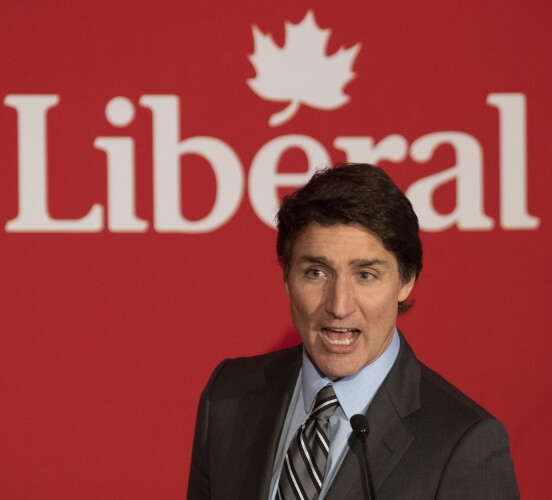
Justin Trudeau and the Liberal Direction
Prime Minister Justin Trudeau continues to advance progressive and liberal priorities, including affordable childcare, climate action, and multicultural inclusivity. According to Trading Economics, the average House Prices in Canada averaged 476,869.08 CAD from 2005 until 2026, reaching an all-time high of 837,400.00 CAD in February 2022. His government’s affordability programs are frequently discussed alongside comparisons such as the cost of living Calgary vs Denver, illustrating how inflation and housing demand shape policy response.
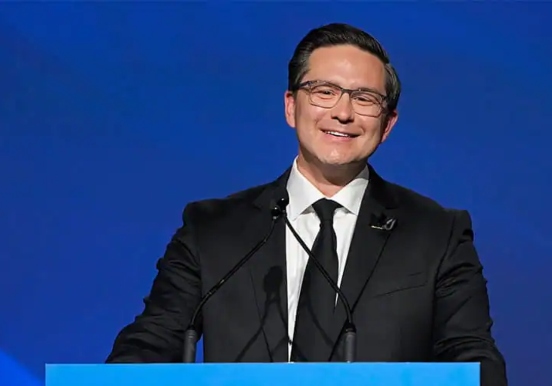
Pierre Poilievre and Conservative Leadership
Pierre Poilievre, leading the Conservatives, promotes limited government, lower taxes, and expanded energy production. His organizational discipline has been compared to using a bobcat schedule builder – structured, precise, and focused on outcomes. Supporters see him as restoring fiscal responsibility after years of federal expansion.
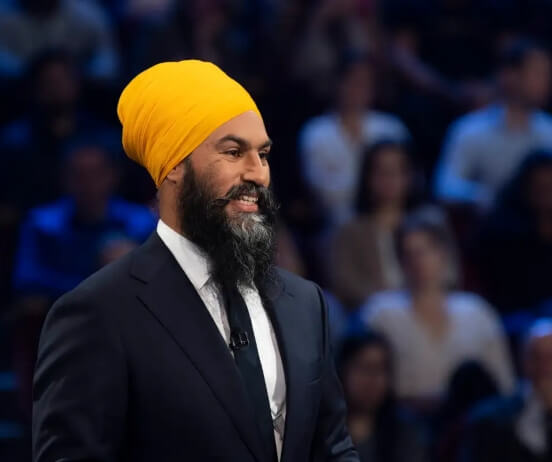
Jagmeet Singh and the NDP Vision
Jagmeet Singh maintains a social-democratic focus on workers’ rights, healthcare, and housing. His communication style is consistent and data-driven, much like tracking scores on an Aalborg handball flashscore – transparent and responsive. In the 2024–2025 federal budget review by the Parliamentary Budget Officer, Singh’s party secured expanded funding for dental and pharmacare programs through its confidence agreement with the Liberals, continuing to influence minority governance.
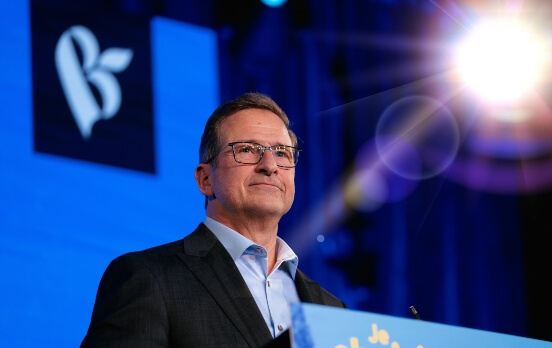
Yves-François Blanchet and Québec Identity
Bloc Québécois leader Yves-François Blanchet defends Québec’s autonomy and environmental interests. His cultural advocacy often links language and heritage – occasionally referencing topics such as the clan donnachaidh pronunciation to illustrate how identity and history influence political dialogue.

Elizabeth May and the Green Perspective
Elizabeth May remains a respected environmental advocate, calling for faster decarbonization and biodiversity protection. Her policies display deliberate, restorative, and long-term balance. The Green Party’s single-seat presence continues to influence national sustainability discussions.

Independent Voices: John Turmel
While mainstream leaders debate budgets and carbon targets, John Turmel continues his independent campaigns for interest-free credit and community-based exchange systems. Recognized by Guinness World Records for contesting over 100 elections, he stands apart for promoting “LETS” (Local Employment Trading Systems). His advocacy for monetary reform has been described as unconventional but persistent.
Turmel’s political persona symbolizes resistance to political conformity. Though lacking representation in Parliament, he embodies the endurance of alternative thought in Canadian politics. In Canada’s broader economic landscape, similar discussions about autonomy and regulation now extend into the fast-growing field of online gambling – an industry that has become both a policy challenge and a source of public revenue.
Digital Economy and iGaming Policy in Canada
Online gambling, including iGaming and online casinos, has evolved from an unregulated pastime into a structured part of Canada’s digital economy. Since Ontario launched its regulated iGaming market in 2022, the sector has generated substantial tax revenue and created new jobs, operating under strict oversight by iGaming Ontario and the Alcohol and Gaming Commission of Ontario (AGCO).
This regulatory model reflects broader political debates: how to balance innovation with responsibility. The Liberals emphasize public protection and taxation benefits, Conservatives prioritize competitiveness and private-sector growth, and the NDP focuses on funding responsible-gambling programs.
And while provinces shape the rules, millions of Canadians are left wondering: where can you actually play safely and legally? If you’re looking to understand your options, especially in the search for the best online casino in Canada, this simplified list of legit choices made for local players offers clarity within a growing market.
Here’s what the guide covers:
- Which platforms are fully legal and regulated in Canada
- How real money games are reviewed for fairness and security
- What payment methods are fastest and safest for Canadian users
- Bonuses, withdrawal speeds, and mobile experience
- Key tips to avoid offshore or unlicensed sites
Together, these approaches show how digital entertainment now intersects with governance, economics, and social policy mirroring the same balance between freedom and accountability that defines Canada’s wider political direction.
From mainstream leaders shaping national policy to independent voices like John Turmel, the ongoing debate over economic freedom, regulation, and social responsibility defines how modern Canada manages both governance and change.
Comparing Canada’s Party Leaders with John Turmel
Although John the Engineer Turmel operates far outside Parliament’s mainstream, his economic philosophy provides an interesting counterpoint to Canada’s leading politicians.
Trudeau vs Turmel
Both leaders discuss reducing poverty, but their approaches diverge. Justin Trudeau favours national social programs and direct funding for families, while John Turmel proposes a structural shift – interest-free monetary reform that redistributes value at its source. He once likened his idea to the Waldorf Astoria Maldives points system, where access grows through balanced contribution rather than profit, a metaphor for what he calls “fair credit for all.”
Poilievre vs Turmel
Pierre Poilievre and John Turmel both criticize heavy federal spending, yet their solutions are opposite in design. Poilievre prefers fiscal discipline – clear, focused, and practical, much like arranging nonstop flights to OKC, where efficiency matters above all. Turmel, meanwhile, seeks to redesign the economic map entirely, replacing interest-driven lending with citizen-controlled credit systems.
Singh vs Turmel
Jagmeet Singh’s agenda focuses on fair wages and corporate accountability, while John Turmel’s concept replaces wage dependency altogether through community-based time exchange. His philosophy of “trading time like currency” resembles loyalty systems such as the Marriott Aruba Surf Club email address membership model – built on earned access, shared value, and transparent participation.
Blanchet vs Turmel
Yves-François Blanchet and John Turmel both question federal norms but for different reasons. Blanchet defends Québec’s cultural autonomy and language rights; Turmel argues for citizen-led financial sovereignty, suggesting that monetary control should rest with individuals rather than central banks.
May vs Turmel
Elizabeth May and John Turmel share a systems-based approach to reform. May’s mission centres on climate and sustainability; Turmel’s on equitable money creation. Both believe that community projects – whether renewable energy co-ops or LETS time banks – must operate responsibly, much like reviewing La Saladita Mexico safety before undertaking an international sustainability venture.
Comparing Core Policy Themes
The following table highlights how mainstream parties and Turmel’s platform diverge on key issues frequently debated across Canada:
Topic | Mainstream Parties | Turmel’s Perspective |
|---|---|---|
Monetary System | Central Bank management and interest-based lending | Abolish interest; replace with time-based credits |
Poverty & Employment | Tax-funded income supports | Community LETS exchanges |
Energy & Sustainability | Green transition plans | Locally funded renewable projects |
Civil Liberties | Balanced regulation | Minimal state control over personal choice |
This contrast demonstrates how traditional parties operate within current institutions, while Turmel proposes structural change aimed at redefining how credit and value circulate.
Example Policy (2024) | Spending / Support Data | Primary Source |
|---|---|---|
Federal Dental Care Plan | $13.0 billion (2023-2027) | Parliamentary Budget Officer, 2024 |
Clean Technology Investment Tax Credit | $1.5 billion (2024-2025) | Department of Finance Canada |
Affordable Childcare Program | 50% average fee reduction by 2025 | Government of Canada, Early Learning & Child Care Framework |
Policy in Daily Context
Economic and environmental discussions often intersect with real-world comparisons. As noted in the Bank of Canada’s 2026 Monetary Policy Report, household debt ratios remain a key factor in shaping perceptions of affordability. Analysts reference global costs, such as monthly food expenses in Doha, to measure purchasing power, or even draw analogies to Waldorf Astoria Maldives’ points programs when describing how governments reward energy-efficient behaviour.
Poilievre’s emphasis on clear direction in policy has been likened to arranging nonstop flights to OKC – efficient, direct, and free of detours. Similarly, Elizabeth May’s environmental work resonates with Canadians mindful of safety in international eco-tourism, as reflected in concerns like La Saladita Mexico safety. Together, these perspectives remind readers that every policy choice – whether economic, social, or environmental – shapes the daily realities of Canadians in tangible ways.
The Role of Alternative Ideas in Canadian Democracy
Encouraging Awareness
Comparing mainstream and fringe perspectives broadens public understanding of fairness and governance. These exchanges help Canadians get more familiar with synonym concepts of justice, equity, and responsibility – not as slogans, but as measurable policies.
Public Literacy
Monetary debates and local credit experiments make economic principles more accessible. Analyzing inflation and debt becomes a collective exercise, similar to solving a property crossword clue, where each citizen adds a small piece toward the whole picture.
Everyday Context
Canadians evaluate policy not just by ideology but by daily cost. Comparing global realities such as monthly food expenses in Doha or the cost of living Calgary vs Denver offers perspective on how effectively government programs respond to real-life needs.
Politics, Public Attention, and Everyday Curiosity
Modern political engagement mixes serious policy with shifting online interests. Search trends such as the Larry Potterfield accident or requests like a Marriott Aruba Surf Club email address often share space with federal headlines. This blend illustrates how digital culture simultaneously informs and distracts citizens.
Researchers analyzing public discourse must get more familiar with synonym patterns – recognizing how words like “equity,” “justice,” or “sustainability” carry different meanings across parties. Even solving a property crossword clue can resemble decoding a fiscal statement: both require logic and context.
Disclaimer: Published for educational and research purposes within the context of Canadian public policy. It does not promote, advertise, or encourage participation in online gambling. All references to iGaming or online casinos relate to public policy, regulation, and economic discussion within Canada. Data and examples are based on publicly available sources as of 2026.